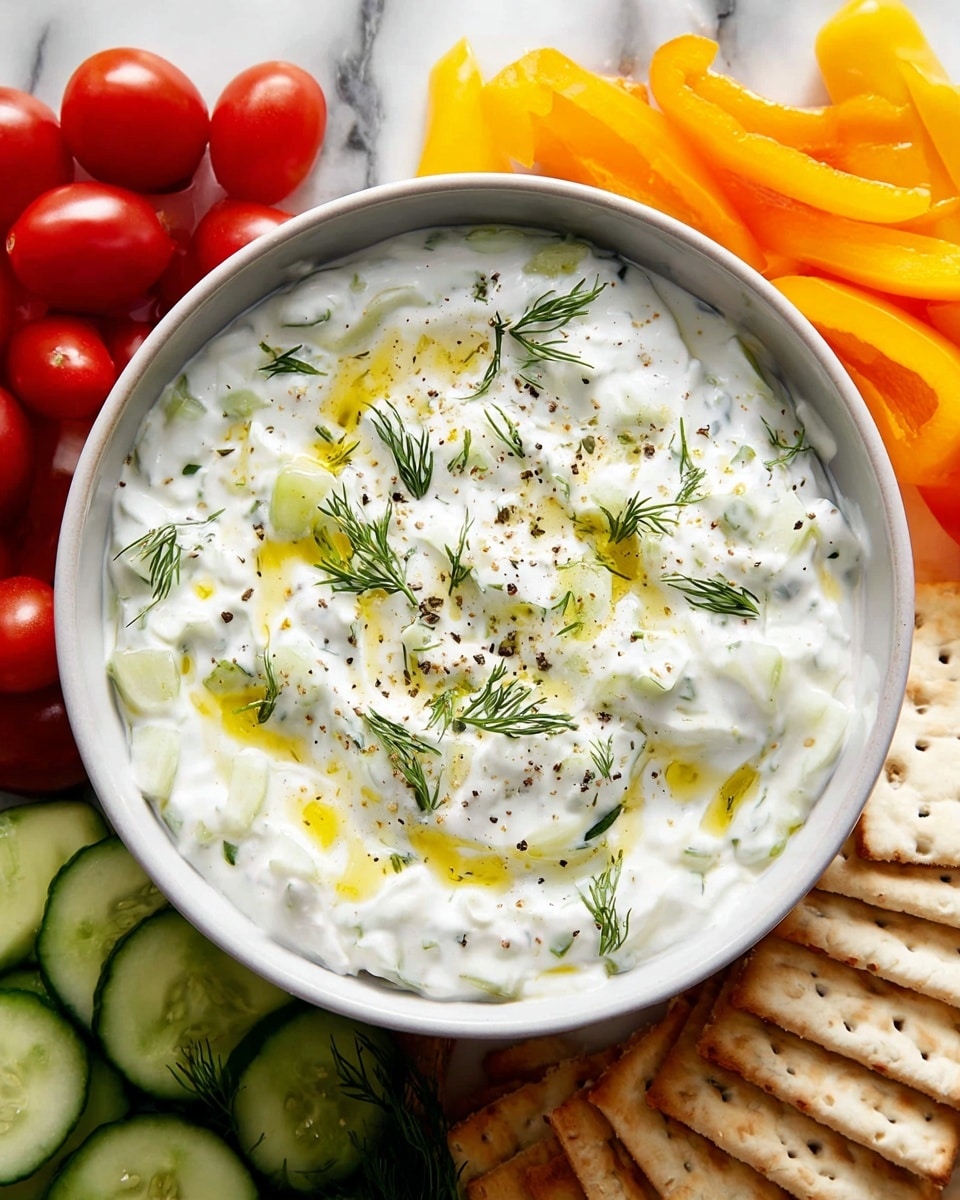
Authentic Greek Tzatziki: Versatile Dip for Every Plate
Imagine the warm Aegean breeze, the vibrant aroma of grilled meats, and the cool, refreshing embrace of a quintessential authentic Greek tzatziki. This isn't just a dip; it's a culinary cornerstone, a beloved staple found on tables from bustling Athenian tavernas to serene island eateries. Known for its unique blend of creamy texture, sharp garlic kick, and crisp cucumber freshness, authentic Greek tzatziki is a testament to the simplicity and power of fresh, quality ingredients.
Far more than just a condiment, tzatziki elevates virtually any dish it accompanies, offering a delightful counterpoint to rich flavors or a refreshing burst on its own. Whether you've savored it during a sun-drenched holiday or are simply discovering its charms for the first time, mastering the art of genuine Greek tzatziki is a rewarding journey that brings a piece of Hellenic culinary tradition right into your kitchen.
What Defines Authentic Greek Tzatziki?
At its heart, authentic Greek tzatziki is a traditional garlic, yogurt, and cucumber sauce that has captivated palates worldwide. It's instantly recognizable by its cool and refreshing nature, boasting a creamy yet light texture that belies its rich flavor profile. Often referred to colloquially as "gyro sauce," its most famous role might be as the indispensable partner to savory gyro meat and souvlaki, nestled within warm pita bread.
However, its versatility extends far beyond just street food. True Greek tzatziki is a chameleon on the plate, pairing exquisitely with an array of grilled meats – chicken, lamb, pork, or beef souvlaki – and serving as a vital component of any traditional Greek salad. It frequently appears as part of a vibrant meze platter, sharing the spotlight with other delightful dips like hummus, taramasalata, or melitzanosalata (aubergine dip), offering a cleansing counterpoint to richer flavors. And, of course, it's utterly divine simply scooped up with crusty bread or warm pita.
The Cornerstone Ingredients for True Authenticity
Crafting a truly authentic Greek tzatziki hinges on a few non-negotiable ingredients, chosen for their quality and prepared with attention to detail. Forget about low-fat shortcuts or flavor compromises – authenticity demands the best.
- Extra Creamy, Thick Greek Yogurt: This is the foundation, and compromise here means compromising the entire dip. Opt for full-fat, strained Greek yogurt. The straining process removes excess whey, resulting in a naturally thicker, richer, and smoother yogurt that resists becoming watery. Low-fat or unstrained yogurts simply lack the body and creamy mouthfeel essential for authentic tzatziki. Always ensure your yogurt is cold from the fridge for the best texture and freshness.
- Plenty of Fresh Garlic: A great tzatziki sauce is synonymous with a generous hit of garlic. This isn't the time to be shy! The garlic provides the signature pungent, aromatic bite that distinguishes Greek tzatziki. Your tastebuds will thank you for being bold here.
- Crisp Cucumber: Cucumber brings the refreshing, cooling element and a delightful crunch. The key here is proper preparation to prevent a watery dip. Seedless cucumbers are often preferred, but if using seeded varieties, removing the seeds is crucial as they hold too much moisture. Grating the cucumber, rather than finely chopping, also contributes to the desired texture.
- High-Quality Olive Oil: A drizzle of good extra virgin olive oil not only adds a silky texture but also imparts a subtle fruity, peppery note that enriches the overall flavor.
- A Touch of Vinegar: Traditionally, white wine vinegar is used to introduce a delicate background acidity, which brightens the flavors and balances the richness of the yogurt and garlic.
Interestingly, while many Western versions of tzatziki incorporate dill or mint, these herbs are rarely, if ever, used in an authentic Greek tzatziki recipe. The pure, unadulterated flavors of yogurt, garlic, and cucumber are celebrated. However, it's worth noting that in Cyprus, their version, known as Talatouri, *does* typically feature fresh or dry mint, along with lemon juice instead of vinegar, highlighting regional variations within the broader Mediterranean culinary landscape.
Crafting Your Own Authentic Greek Tzatziki: Tips for Perfection
While the ingredient list for authentic Greek tzatziki appears deceptively simple, achieving that perfect, creamy, and flavorful result requires attention to a few critical details. These insights, passed down through generations, are the secrets to taverna-quality tzatziki.
The Cucumber Conundrum: Draining is Divine
This is arguably the single most important step in preventing a watery, disappointing dip. Cucumbers are naturally high in water content, and if not properly drained, this moisture will leech into your yogurt, ruining the creamy texture.
- Grate, Don't Chop: Use a box grater to finely grate your cucumber. This maximizes the surface area for water release.
- The Salting & Squeezing Method: After grating, place the cucumber in a colander, sprinkle generously with salt, and let it sit for 15-20 minutes. The salt will draw out the moisture.
- Squeeze, Squeeze, Squeeze: This is where the magic happens. Gather the grated cucumber in a clean kitchen towel, cheesecloth, or even several layers of sturdy paper towels. Twist and squeeze with all your might until no more liquid drips out. You'll be surprised how much water comes out! The drier your cucumber, the thicker and creamier your tzatziki will be. This essential step is one of the essential Greek secrets to achieving perfect creamy tzatziki.
Garlic: Mince, Don't Chunk
While a bold garlic flavor is paramount, the texture of the garlic is equally important.
- Finely Mince or Grate: To ensure the garlic flavor is evenly distributed without any unpleasant raw chunks, either finely mince it with a knife or, even better, use a garlic press or a microplane grater. This breaks down the garlic fibers effectively, releasing its full aroma and flavor into the dip without making it lumpy.
- Taste and Adjust: Start with a generous amount, but remember you can always add more. A true garlic lover won't hesitate to add an extra clove or two!
Blending and Resting for Optimal Flavor
Once your ingredients are prepped, gently combine the strained yogurt, drained cucumber, minced garlic, olive oil, and vinegar. Stir until just combined. Overmixing can sometimes thin the yogurt, so a light hand is best. While you can enjoy it immediately, allowing your authentic Greek tzatziki to chill in the refrigerator for at least 30 minutes (and ideally a few hours) allows the flavors to meld and deepen. This resting period transforms the individual components into a harmonious, irresistible blend.
Serving Suggestions: Unleashing Tzatziki's Versatility
The beauty of authentic Greek tzatziki lies in its incredible adaptability. Its refreshing profile makes it a perfect companion for a vast array of dishes:
- Classic Greek Pairings: Indulge in its traditional role alongside lamb kebabs, chicken souvlaki, or gyro meat tucked into warm pita bread. It's the ultimate cool counterpoint to the rich, savory meats.
- Meze Platters: Feature it prominently on a meze spread alongside other dips like hummus or spicy feta dip (tirokafteri), olives, and fresh vegetables for a true Greek dining experience.
- Grilled Delights: Serve it as a cooling sauce for any grilled fish, chicken, or vegetables. Its bright flavors cut through the richness and elevate simple grilled fare.
- Vegetable Dipper: A healthy and delicious snack! Pair it with carrot sticks, cucumber slices, bell pepper strips, or cherry tomatoes.
- Salad Dressing: Thin it slightly with a touch more olive oil or water to create a vibrant, creamy salad dressing for green salads or grain bowls.
- Breakfast Boost: Believe it or not, a dollop of tzatziki can even brighten up a savory breakfast, perhaps alongside scrambled eggs and fresh herbs.
Conclusion
Authentic Greek tzatziki is more than just a dip; it's an emblem of Greek hospitality and culinary tradition. Its vibrant flavors, refreshing character, and remarkable versatility have earned it a cherished place on tables worldwide. By understanding the importance of quality ingredients—especially the thick, full-fat Greek yogurt—and mastering crucial techniques like thorough cucumber draining and precise garlic preparation, you can recreate the true taste of Greece in your own home. So, gather your ingredients, follow these steps, and prepare to embark on a delightful culinary journey with every creamy, garlicky, and refreshing spoonful of your homemade authentic Greek tzatziki.
