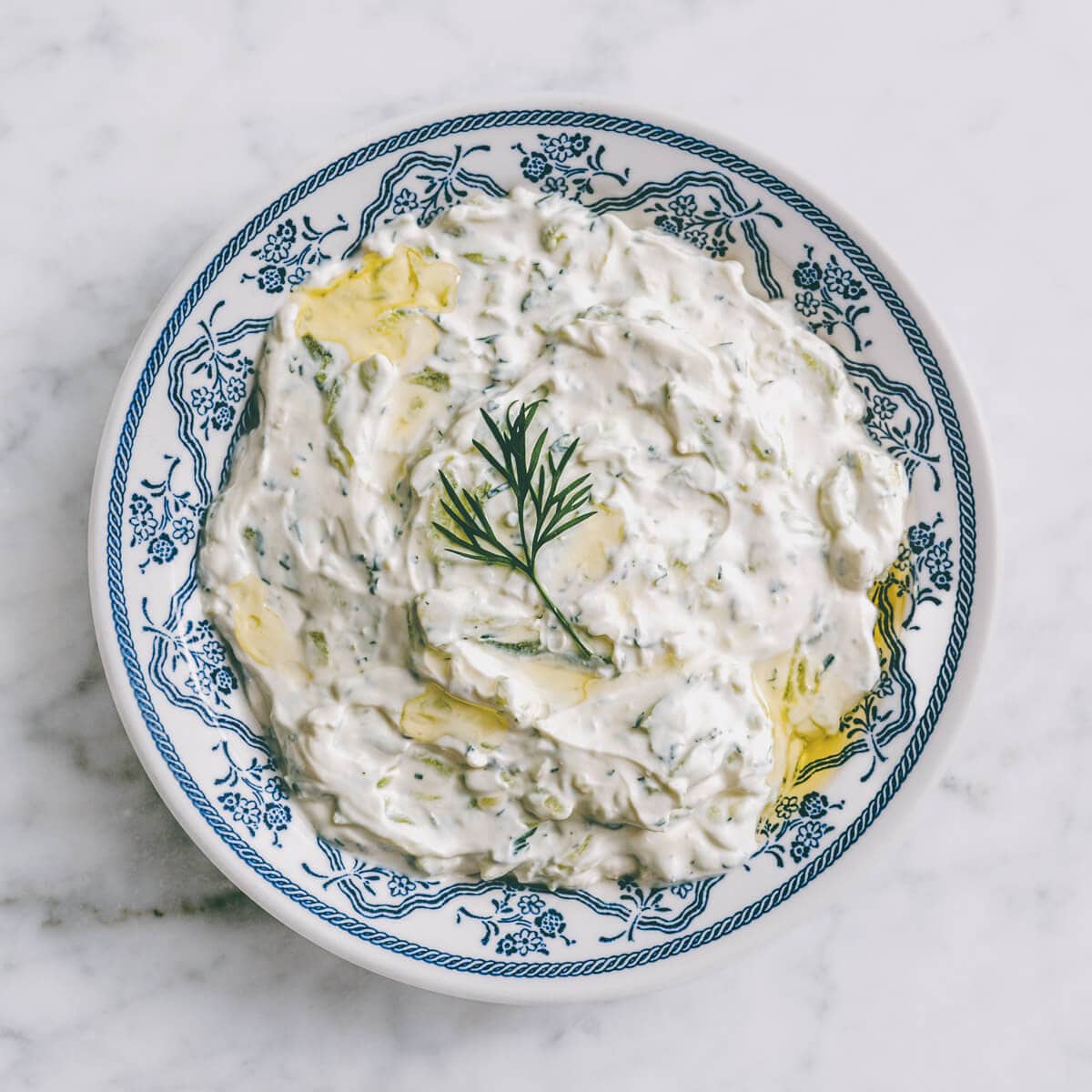
Imagine the warm Aegean breeze, the inviting aroma of grilled meats, and the vibrant blue and white of the Greek Islands. One taste that instantly transports you to this idyllic scene is the cool, refreshing embrace of a perfectly crafted tzatziki. This iconic Greek garlic, yogurt, and cucumber dip is far more than just a condiment; it's a culinary cornerstone, a testament to simple, fresh ingredients transformed into something extraordinary. While many versions exist, unlocking the true magic lies in mastering the secrets behind authentic Greek tzatziki – a dip that captures the very soul of Hellenic cuisine. Forget watery, bland imitations; we're about to delve into the time-honored techniques and essential ingredients that make for a truly unforgettable, creamy, and flavorful experience, just like Yiayia (grandma) would make.
The Essence of Authentic Greek Tzatziki: More Than Just a Dip
At its heart, authentic Greek tzatziki is a harmonious blend of creamy yogurt, crisp cucumber, pungent garlic, and a touch of olive oil and vinegar. Known affectionately in some circles as "gyro sauce" or "souvlaki sauce" due to its widespread use in stuffed pita breads, its true identity transcends a mere accompaniment. This versatile sauce holds a place of honor on any Greek table, whether as part of a lavish meze platter or as the star dip alongside warm, toasted pita bread and fresh vegetables.
What sets it apart? Its sensory profile is a symphony of contrasting delights: cool and refreshing, with a creamy yet surprisingly light texture. The initial tang from the yogurt and vinegar gives way to the zesty kick of fresh garlic, punctuated by the subtle crunch of finely prepared cucumber. It's an explosion of flavor that manages to be both deeply satisfying and incredibly invigorating, making it especially popular during the sun-drenched Greek summers. This balance of sour, creamy, crunchy, and garlicky is precisely what makes authentic Greek tzatziki an indispensable component with virtually any grilled meat – be it chicken, lamb, pork, or beef souvlaki – or as a bright counterpoint to a traditional Greek salad. It also shines as part of a grand meze spread, complementing other Greek delights such as hummus, taramasalata, melitzanosalata (aubergine dip), tirokafteri (spicy feta cheese dip), and fava (yellow split peas puree).
To truly appreciate this dip, one must understand its purpose: to refresh the palate, cut through the richness of other dishes, and add a vibrant zest that elevates every bite. It’s a foundational element of Greek hospitality and culinary tradition.
Unveiling the Core Ingredients for True Authenticity
While the ingredient list for authentic Greek tzatziki appears simple, the choice and preparation of each component are paramount to achieving that coveted, perfect texture and flavor. There are no shortcuts here; quality and attention to detail are key.
- The Unnegotiable Yogurt: Thick, Full-Fat Strained Greek Yogurt
This is arguably the single most critical ingredient. For genuine authentic Greek tzatziki, you absolutely must use thick, full-fat strained Greek yogurt. The "strained" part is non-negotiable, as it provides the inherent creaminess and body necessary to prevent a watery dip. Low-fat or unstrained yogurts simply lack the structural integrity and richness, resulting in a thin, disappointing consistency. The high protein and lower water content of true Greek yogurt are what give tzatziki its characteristic smoothness and luxurious mouthfeel. Always ensure your yogurt is cold, straight from the fridge, before you begin.
- The Refreshing Cucumber: Preparation is Everything
Cucumber provides the signature crunch and refreshing coolness, but it's also the ingredient most likely to sabotage your tzatziki if not handled correctly. The most important step here is to strain the liquid from the cucumber very well. Excess moisture will inevitably lead to a watery, diluted dip. Opt for seedless cucumbers if possible, or meticulously remove the seeds from seeded varieties, as they hold a significant amount of water. Grate the cucumber rather than chopping it, as grating helps release more moisture and integrates better into the dip. Our top tip: After grating, lightly salt the cucumber and let it sit in a colander for 10-15 minutes. Then, squeeze out as much liquid as humanly possible using a clean cheesecloth or sturdy paper towels. This step alone distinguishes a superior, creamy tzatziki from a runny one.
- The Bold Heart: Abundant Fresh Garlic
A great authentic Greek tzatziki is synonymous with garlic. Don't be shy; your tastebuds will thank you! The garlic should be fresh, pungent, and used generously. However, its preparation is crucial: the garlic must be either very finely minced or, even better, grated. If you chop the garlic into pieces with a knife, even if finely, you risk encountering unpleasant, chunky bits of raw garlic in your otherwise smooth dip. Grating or using a garlic press ensures a consistent, smooth integration of the garlic's robust flavor without any textural surprises. Embrace the aroma!
- The Finishing Touches: Olive Oil and Vinegar
A drizzle of good quality extra virgin olive oil not only adds a silky texture but also brings a fruity, peppery depth that complements the other flavors. A splash of white wine vinegar provides that subtle background acidity, brightening the dip and cutting through the richness of the yogurt and oil. While some recipes outside Greece call for dill or mint, an authentic Greek tzatziki recipe rarely, if ever, includes these herbs. In Cyprus, however, their version called Talatouri often incorporates fresh or dry mint and uses lemon juice instead of vinegar, offering a distinct regional twist.
Mastering the Technique: Secrets to Perfect Creaminess
Even with the right ingredients, technique is where the true mastery of authentic Greek tzatziki lies. It's about paying attention to the small details that elevate the dip from good to sublime.
Common Pitfalls to Avoid for Your Authentic Greek Tzatziki
- Inadequate Cucumber Preparation: As mentioned, this is the number one culprit for watery tzatziki. Don't rush or skip the extensive straining process.
- Wrong Yogurt Choice: Using low-fat or unstrained yogurt compromises the fundamental texture and creaminess. Stick to full-fat, strained Greek yogurt.
- Chopped Garlic: Lumpy, raw garlic pieces detract from the smooth, refreshing experience. Always mince or grate finely.
- Incorrect Proportions: While some flexibility is fine, ensure a good balance of cucumber to yogurt. Too much cucumber relative to yogurt can still lead to a thinner consistency, even if strained.
- Skipping the Resting Period: The flavors need time to meld and deepen. Patience is a virtue here.
To achieve that unparalleled smooth, creamy consistency and perfectly balanced flavor profile, here are the procedural secrets:
- Extreme Cucumber Draining: After grating and salting, gather the cucumber in a clean kitchen towel or several layers of cheesecloth. Twist and squeeze with all your might until no more liquid drips out. The drier the cucumber, the creamier your tzatziki will be. This step prevents your dip from becoming a watery mess and is the foundation for a truly luxurious texture.
- Garlic Integration: Grate or finely mince your fresh garlic. For the best flavor distribution and smoothness, you can even mash it into a paste with a pinch of salt using a mortar and pestle before adding it to the yogurt. This ensures the powerful garlic flavor is evenly infused without any harsh bites.
- Gentle Mixing: In a large bowl, combine the strained yogurt with the well-drained cucumber and grated garlic. Drizzle in the extra virgin olive oil and vinegar. Mix everything gently with a spoon or spatula until just combined. Overmixing can sometimes break down the yogurt's structure.
- The Crucial Resting Period: Once all ingredients are combined, cover the bowl and refrigerate your tzatziki for at least 1-2 hours, but preferably longer – 4 hours or even overnight is ideal. This allows the flavors to meld and deepen, transforming the individual components into a cohesive, more complex, and truly authentic Greek tzatziki. The chill also enhances its refreshing qualities.
Pairing Your Perfect Authentic Greek Tzatziki
The beauty of authentic Greek tzatziki lies not only in its exquisite flavor but also in its incredible versatility. Once you've mastered the art of making it, you'll find countless ways to enjoy this cooling, creamy delight. It's the ultimate chameleon of the kitchen, ready to elevate almost any meal.
Naturally, its most famous pairings are with Greek staples: generously dolloped inside a warm pita with sizzling gyro meat, alongside skewers of juicy chicken, pork, or lamb souvlaki, or as a cooling counterpoint to rich grilled halloumi. But its adaptability extends far beyond the traditional Greek plate. Consider serving it with Authentic Greek Tzatziki: Versatile Dip for Every Plate, such as a fresh crudité platter featuring carrots, celery, bell peppers, and cucumber sticks. It's also fantastic as a spread in sandwiches and wraps, a creamy dressing for salads, or even alongside roasted potatoes or grilled fish for a light, summery meal. On a meze platter, it’s a non-negotiable component, inviting communal dipping and lively conversation. Its tangy, garlicky profile cuts through richness, making it an ideal partner for almost any grilled or roasted protein, adding moisture and a burst of fresh flavor.
Creating authentic Greek tzatziki is a rewarding culinary journey that brings the vibrant flavors of Greece right into your home. It’s about respecting the ingredients, understanding the simple yet crucial techniques, and allowing time for the magic to happen. If you're ready to take the next step and craft your own batch with specific measurements, be sure to explore a recipe that truly reveals the foundational methods, like those found in Master Authentic Greek Tzatziki: Yiayia's Recipe Revealed.
In conclusion, the path to perfect, creamy authentic Greek tzatziki is paved with a few essential secrets: prioritizing thick, full-fat strained Greek yogurt, meticulously draining your cucumber, being generous and precise with fresh garlic, and allowing the flavors to meld during a crucial resting period. These seemingly small details combine to create a dip that is truly transportive – a taste of the Aegean, refreshing, vibrant, and utterly irresistible. So, grab your ingredients, follow these insights, and prepare to unlock a truly authentic Greek culinary experience.
